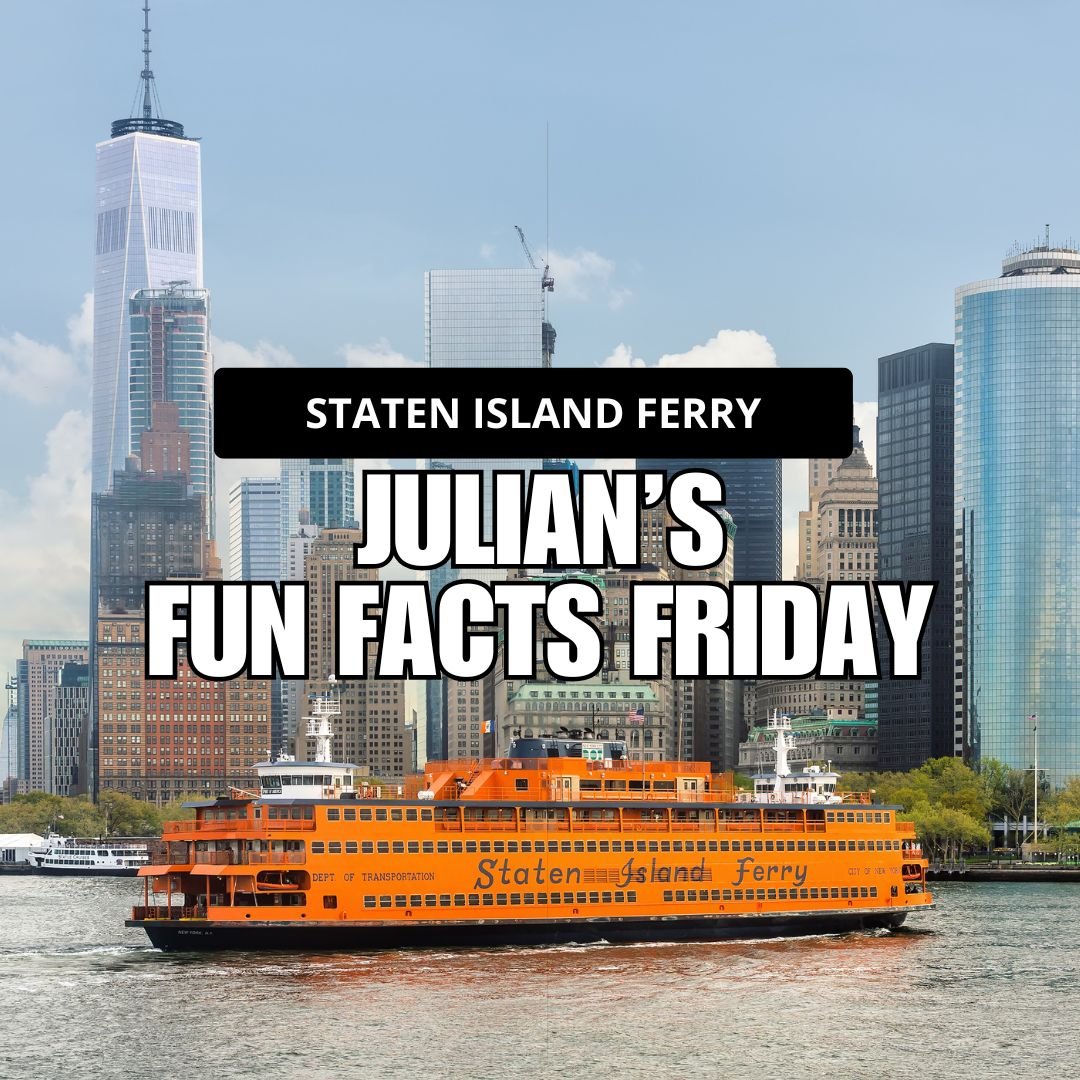
Did You Know the Staten Island Ferry is one of New York City’s most iconic — and completely free — ways to travel, carrying over 22 million riders every year between Manhattan and Staten Island?
Its story begins in 1810, when a 16-year-old Cornelius Vanderbilt launched a small periauger boat using $100 in birthday money, laying the groundwork for what would become a vital NYC lifeline. While informal sailboat crossings date back to the 1700s, ferry service officially took shape in 1817 with steamboats run by the Richmond Turnpike Company. The City of New York eventually took over in 1905, ensuring reliable public service after years of private-operator struggles.
Here’s where it gets interesting
Early ferries once separated men and women — not for segregation, but to guide them to side-specific restrooms. The ferry’s famous bright orange color, adopted in 1926, wasn’t for style — it was chosen for maximum visibility in fog, snow, and rough harbor conditions.
Some ferries even lived double lives: during the Civil War, they were converted into gunships, and decades later, overcrowding at Rikers Island briefly turned ferries into floating detention facilities.
And that viral-before-viral story about a giant octopus sinking a ferry in 1963? Total hoax — but so convincing it inspired a fake Battery Park statue and still circulates today.
One indisputable fact: after 9/11, the Staten Island Ferry helped execute the largest maritime evacuation in history, moving tens of thousands to safety.
Best of all? You still get front-row Statue of Liberty views on a 5.2-mile ride that takes about 25 minutes — no ticket required.