
Buying or Selling Luxury Real Estate in Manhattan? Strategy and Discretion Matter
A successful luxury transaction requires accurate pricing, exceptional presentation, careful negotiation, and an advisor who understands that luxury is personal.
When the Property Is Extraordinary, the Agent Has to Be Too.
A successful luxury transaction requires accurate pricing, exceptional presentation, careful negotiation, and an advisor who understands that luxury is personal.

Luxury real estate in Manhattan is not defined by price alone. It may be a classic Park Avenue co-op, a full-floor condominium overlooking Central Park, a downtown loft, a new-development residence, a penthouse with private outdoor space, or a townhouse on a quiet tree-lined block.
What makes a property exceptional may be its architecture, location, scale, views, privacy, condition, building reputation, or scarcity. Sometimes the greatest value is something that cannot be easily duplicated.
The clients are equally individual. A buyer may be searching for a primary residence, pied-à-terre, investment, or home that can remain in the family for years. A seller may be managing a major financial asset while also deciding when, how, and how publicly to bring it to market.
My role is to understand what matters most to you and create a real estate strategy around it.
I am Julian Hutter of Compass, and I help buyers and sellers navigate Manhattan luxury real estate with discretion, honest advice, careful preparation, and strong negotiation. I coordinate closely with attorneys, accountants, financial advisors, designers, contractors, and other professionals so every part of the transaction receives the attention it deserves.
No two luxury properties—and no two clients—are alike. Before recommending a strategy, I take the time to understand your goals, priorities, timing, concerns, and definition of a successful outcome.

Preparing a comprehensive comparative market analysis
Evaluating the property’s condition and market position
Identifying improvements that may strengthen its presentation
Establishing a realistic pricing strategy
Determining whether to begin privately or enter the public market
Creating photography, video, and marketing suited to the property
Identifying the most likely buyer audience
Managing showings with discretion and care
Evaluating offers based on price, terms, financing, and certainty

Establishing a realistic budget and financial profile
Identifying the right neighborhoods and property types
Comparing co-ops, condos, new developments, and townhouses
Evaluating publicly listed and appropriate private opportunities
Reviewing price, monthly costs, building quality, and resale considerations
Preparing for co-op financial requirements when applicable
Creating a negotiation and offer strategy
Coordinating due diligence, financing, inspections, and closing
The goal is not simply to complete an expensive transaction. It is to make a thoughtful decision and achieve the strongest possible result.
Manhattan luxury properties cannot always be valued using a simple price-per-square-foot calculation. Two homes in the same building may command very different prices because of their floor, exposure, views, condition, layout, outdoor space, or renovation quality.

Luxury buyers are willing to pay for quality and rarity, but they remain highly informed. Pricing must recognize what makes the property special while remaining grounded in current market evidence.
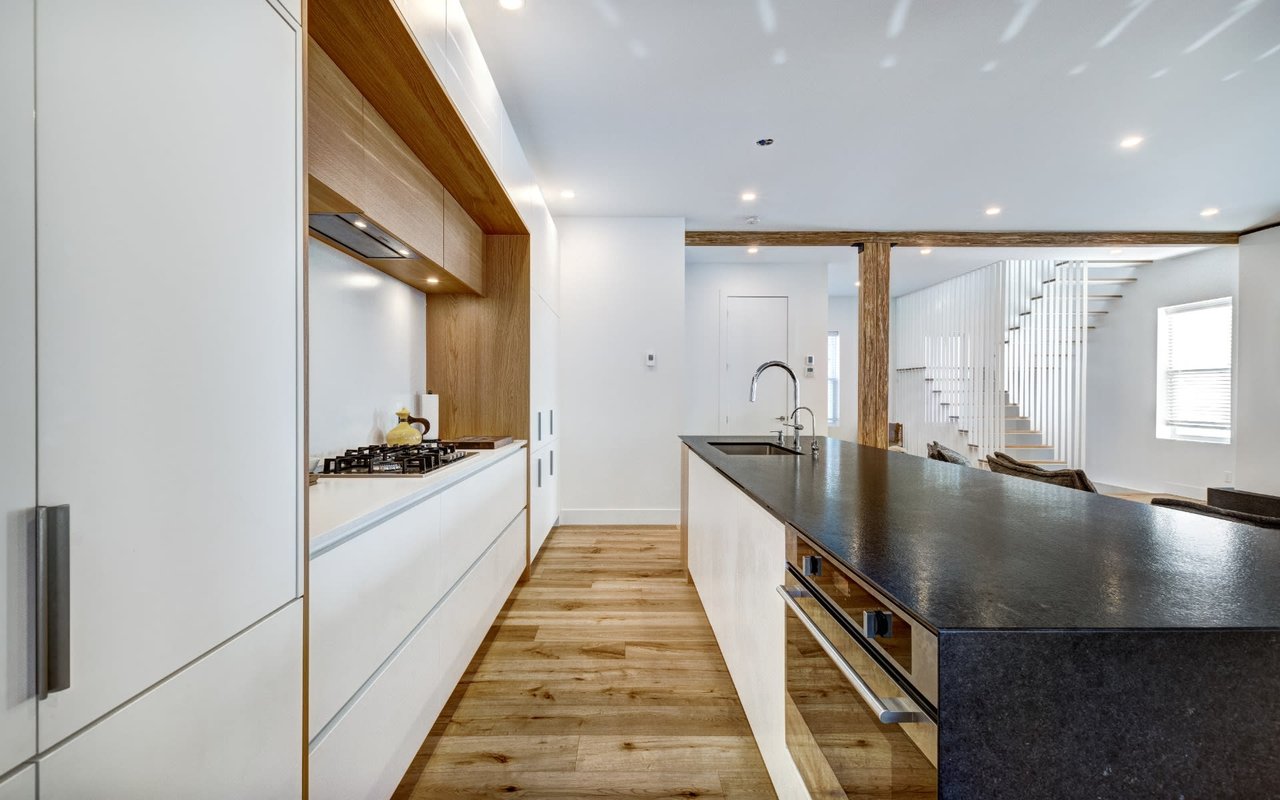
Accurate pricing is one of the most important decisions a luxury seller makes.
Overpricing can weaken the property’s initial impact, extend its time on the market, and create questions among buyers. Underpricing without a clear strategy may fail to protect the seller’s financial interests.
I prepare a detailed comparative market analysis using recent sales, active competition, building history, property condition, monthly expenses, market trends, and the characteristics that distinguish the home.
For highly unusual properties, there may be few direct comparable sales. In those situations, pricing requires careful judgment and comparison across similar buildings, neighborhoods, property types, and buyer audiences.
My responsibility is to give you an honest assessment—not an inflated number designed to win the listing and not a discounted number designed to produce an easy sale.
The correct price should create interest, support the property’s value, and position you to negotiate from strength.

Luxury buyers expect a property to be presented thoughtfully. That does not mean every home requires a major renovation or an expensive redesign.
I help sellers determine:
With the seller’s approval, I can coordinate stagers, designers, photographers, videographers, painters, contractors, movers, storage providers, and other trusted professionals.
The objective is not to erase the home’s identity. It is to help buyers recognize its architecture, proportions, lifestyle, and value.

Luxury marketing should never be a collection of expensive-looking materials without a clear strategy. The photography, video, copy, digital presentation, broker outreach, and showing experience should all tell the same story.
Depending on the property and seller’s priorities, the marketing plan may include:
The objective is not simply to generate attention. It is to reach the buyers most likely to understand and value the property.

Not every luxury seller wants the same level of exposure.
Some properties benefit from entering the public market with a coordinated launch designed to create urgency and competition. Other sellers may prefer to begin quietly, test interest, limit access, or maintain greater privacy.
A private approach may provide discretion, but it can also reduce exposure and limit the number of buyers who see the property. Public marketing may reach a larger audience, but it requires the seller to be comfortable with broader visibility and regular showing activity.
I help sellers understand the advantages and limitations of each approach. The marketing strategy should reflect the property, market conditions, timing, and seller’s priorities—not a one-size-fits-all formula.

Luxury buyers often begin with a long wish list. The most important part of my role is identifying which priorities are essential, which are flexible, and which properties genuinely deserve consideration.
I help buyers evaluate:
Some Manhattan luxury properties are marketed privately or shared through professional relationships before reaching the public market. When appropriate, I communicate with experienced brokers, owners, and building professionals to identify legitimate opportunities beyond the obvious listings.
Access matters, but judgment matters more. A property being private or difficult to obtain does not automatically make it the right purchase.

Luxury negotiation involves more than agreeing on a headline price.
The strength of an offer may also depend on financing, due diligence, deposit structure, contingencies, closing date, inclusions, exclusions, flexibility, and the buyer’s ability to complete the transaction.
For sellers, the highest offer is not always the strongest offer. A slightly lower proposal with better terms and greater certainty may produce the better outcome.
For buyers, paying the lowest possible price is not always the only objective. In a competitive situation, the goal may be to secure an exceptional property without overpaying or accepting unnecessary risk.
I evaluate the complete proposal, explain the available options, and negotiate with a calm, strategic approach. I know when to push, when to hold, and when a creative term may matter more than another round of price negotiations.
No drama. Just preparation, communication, and a clear understanding of what is most important to the client.
Each Manhattan luxury property type requires a different strategy.

Luxury co-ops may have substantial financial requirements, detailed board applications, financing limits, and an interview process. Buyers should understand the building’s standards before making an offer.
I help buyers evaluate whether a building is financially and practically appropriate, structure the offer accordingly, and prepare a complete, carefully organized board package when the purchase moves forward.

Condos generally offer greater flexibility for financing, ownership structure, pied-à-terre use, leasing, and international buyers. That flexibility often comes with higher purchase prices and additional closing costs.

Luxury new developments may offer modern construction, extensive amenities, and the opportunity to be the first owner. Buyers must also evaluate the sponsor, offering plan, projected expenses, purchaser closing costs, construction timeline, and competing inventory.
A Manhattan townhouse can provide privacy, scale, outdoor space, and control that apartment living cannot. It can also involve greater responsibility for structure, mechanical systems, maintenance, landmark restrictions, and renovation.
The right property type depends on your lifestyle, finances, privacy needs, and long-term plans.
Many Manhattan luxury buyers and sellers live outside New York City or outside the United States. Distance should not prevent the process from being carefully managed.
I can assist with:
International clients may face additional financing, ownership, tax, estate-planning, and reporting considerations. I coordinate the real estate process while the client’s legal, tax, and financial advisors address those specialized matters.
You do not need to be in Manhattan for every step. You need reliable information, regular communication, and the right professionals working together.
Luxury transactions may involve personal finances, family matters, business relationships, public profiles, trusts, estates, or other sensitive circumstances.
I handle property access, financial information, conversations, negotiations, and transaction details with discretion, and I am informally known as “the vault.” Information is shared only as appropriate for the real estate process and the client’s instructions.
Discretion does not mean silence when clear advice is needed. It means protecting privacy while communicating honestly and managing the transaction professionally.
There is no single definition based only on price. Luxury may be determined by location, architecture, size, views, privacy, condition, outdoor space, building quality, services, amenities, and scarcity.
A property should be evaluated within its particular neighborhood, building, and market segment.
I analyze recent comparable sales, active competition, building history, condition, monthly expenses, market trends, and the features that make the property different.
When there are few direct comparables, the analysis may include similar properties in other buildings or neighborhoods with adjustments for location, quality, scale, and rarity.
It depends on the seller’s priorities and the property.
Public marketing can provide broader exposure and greater opportunity for competition. A private strategy may offer more discretion but can limit the buyer audience. I explain the advantages and limitations of each approach before recommending a plan.
A buyer’s agent can help evaluate value, compare buildings, identify appropriate public and private opportunities, prepare an offer, negotiate terms, and coordinate the transaction with attorneys, lenders, and other professionals.
The listing agent represents the seller. A luxury buyer should understand who is representing their interests.
It depends on the buyer-representation agreement and whether the seller offers compensation to the buyer’s agent. The seller may pay some or all of the agreed compensation, but that should not be assumed.
The services, compensation, and responsibilities should be explained and agreed upon in writing before touring properties.
The strategy may include professional photography, video, floor plans, property narratives, digital advertising, broker outreach, private appointments, Compass resources, and targeted exposure to appropriate buyers.
The specific plan should be created around the property rather than copied from another listing.
They can be more demanding. Luxury co-ops may require substantial financial disclosure, post-closing liquidity, a carefully prepared board package, and a board interview.
I help buyers understand the process, evaluate whether the building is appropriate, and prepare a complete and professional submission.
Yes. International buyers regularly purchase Manhattan co-ops, condos, new developments, and townhouses, although some co-ops may have financial or residency requirements that are difficult for an international buyer to satisfy.
Financing, ownership structure, taxation, estate planning, and eventual sale considerations should be reviewed with experienced legal, tax, and financial advisors.
You do not need to have every decision made before contacting me. We can begin with a private conversation about the property, your priorities, timing, concerns, and what a successful transaction looks like to you.
Call, text, or email Julian Hutter of Compass to arrange a confidential, no-obligation consultation.
No pitch. No pressure. No drama. Just honest advice, complete discretion, strong negotiation, and a clear luxury real estate strategy.
Who You Work With Matters!